


Understanding Toyota Hybrid Drive Modes: How EV, Eco, Normal, and Sport Work
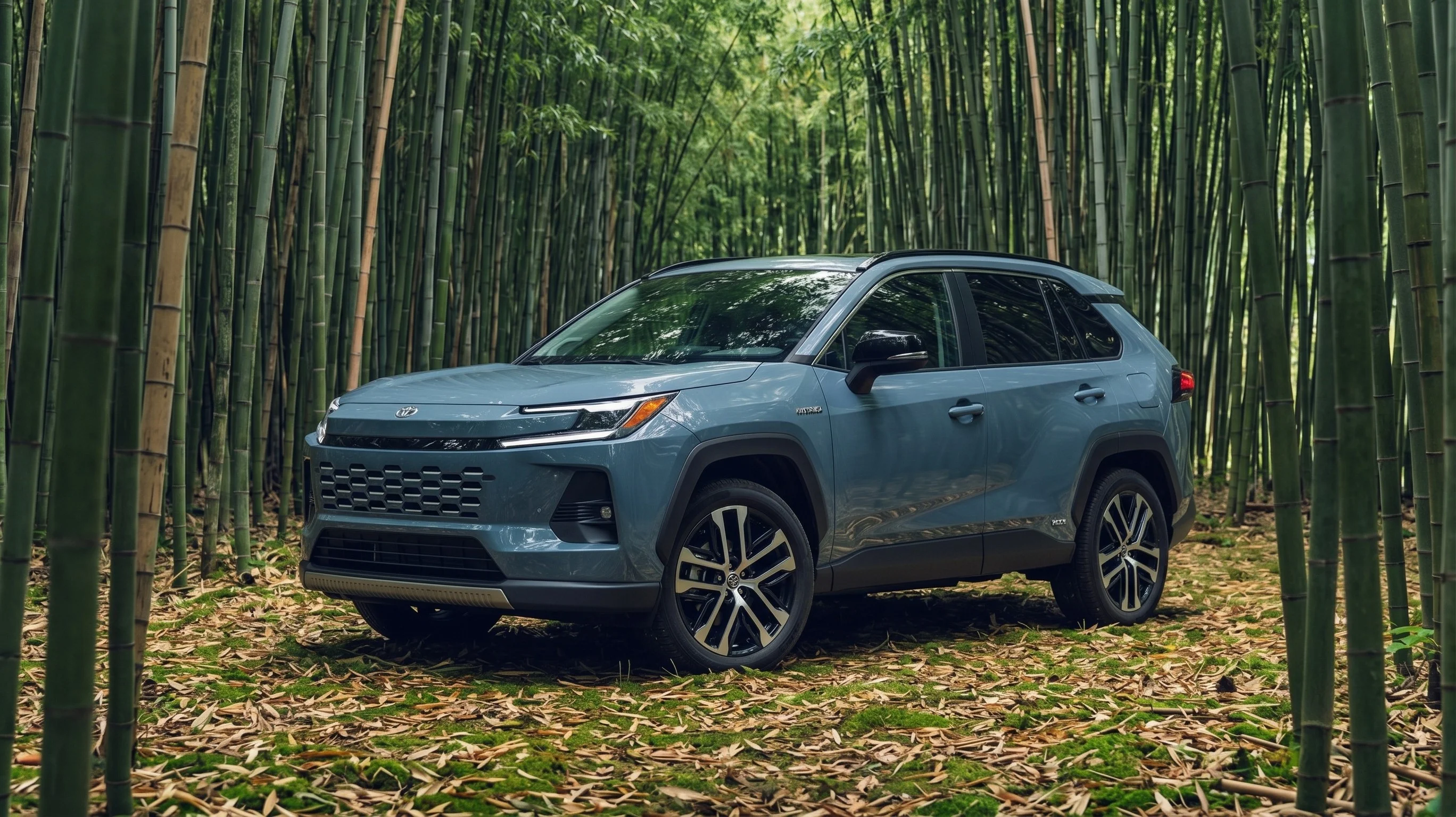
A Toyota hybrid runs on both a gasoline engine and one or more electric motors. A computer decides how to blend them and how power reaches the wheels. Drive modes let you nudge that decision. Each mode changes settings like throttle sensitivity, climate control output, and how power is shared. Switching modes will not wear out or damage the hybrid system. A mode is only a software setting, and the eCVT and hybrid battery stay protected by the car’s built-in safeguards.
Many drivers ask whether the modes change the suspension or engine tuning. On most models, they do not touch the suspension. What changes is how quickly the car responds to the gas pedal. The computer adjusts the throttle map, so it can smooth power delivery for a relaxed drive or sharpen it for quicker acceleration.
One quick note on names. The sportier mode is called Sport on some Toyota hybrids and PWR or Power on others. It works the same way either way. Only the label on the selector changes.
How EV, Eco, Normal, and Sport Modes Change Your Drive
Most Toyota hybrids give you a few drive modes to match the road and your mood. Normal Mode is the default at every start. It balances fuel efficiency with responsive acceleration for everyday driving. Eco Mode goes further on efficiency. It softens the throttle and eases the load from the climate system to save fuel, which suits steady cruising and relaxed driving.
Sport Mode (PWR on some models) sharpens the throttle for quicker response. That makes it easier to merge onto a fast freeway or pass a slower car. It combines the gasoline engine with electric-motor assist for stronger acceleration, so fuel economy usually dips a little. EV Mode runs the car on electric power alone for short, low-speed trips, usually under 25 mph. It is meant for quiet, low-emission driving in parking structures or neighborhoods. It shuts off on its own if the battery runs low or you press the pedal too hard.
| Drive Mode | What It Does | Best For |
|---|---|---|
| EV Mode | Runs the vehicle on electric power alone from the hybrid battery, with the gasoline engine off. | Short, low-speed trips under about 25 mph in quiet or low-emission areas. |
| Eco Mode | Softens throttle response and eases the climate control load to reduce fuel use. | Maximizing efficiency on daily commutes and steady cruising. |
| Normal Mode | Balanced default calibration of efficiency and response set at every startup. | Everyday driving and a predictable baseline when towing. |
| Sport Mode (PWR) | Sharpens throttle response and combines engine and electric-motor output for quicker acceleration. | Merging, passing, or situations that call for immediate response. |
Eco Mode versus Normal Mode for Daily Commuting Efficiency
For a daily commute, the choice between Eco and Normal comes down to how the car uses energy. In Eco Mode, the computer softens quick jabs at the pedal. That smooths the throttle spikes that waste fuel. It also trims how much power the air conditioning draws, which eases the load on the battery. For commuters around Mission Viejo, Eco Mode helps hold a steady speed and keeps the car on electric power longer.
Normal Mode gives a more direct pedal feel. Eco Mode rewards a smoother style with fewer stops at the pump. If your route mixes stop-and-go streets with steady cruising, leave the car in Eco for the commute. Switch to Normal or Sport only when you need quicker response. That simple habit gets the most from the hybrid system.
Deciphering the Hybrid System Indicator on Your Dashboard
Instead of a traditional tachometer, many Toyota hybrids show a Hybrid System Indicator in the gauge cluster. It lets you watch your efficiency in real time. The gauge has three zones: Charge, Eco, and Power. The Charge zone lights up when the car recovers energy through regenerative braking. This happens when you coast or brake gently. That energy flows back into the hybrid battery for later electric driving.
The Eco zone is the most efficient range. It shows when the car is on electric power, or on an efficient mix of engine and motors. Keep the needle in this zone as you accelerate, and you will use less fuel. When you push for quick acceleration, the needle sweeps into the Power zone. There, the engine and electric motors work together for maximum output.
Towing and Trailering in Sport Mode versus Normal Mode
Should you tow in Sport Mode or Normal Mode? You can tow in any mode, but Normal is usually the better place to start. Its throttle response is predictable. That steady power helps prevent sudden surges, so it is easier to stay in control when pulling a load uphill.
Sport Mode has its moments, like merging onto a fast highway or climbing a steep grade. But the sharper pedal can make smooth acceleration harder under load, and it calls on more of the hybrid system’s combined output. Drivers shopping a hybrid SUV for occasional towing often ask which mode is best for bikes or gear. Start in Normal to set a smooth, controlled baseline. Then try Sport’s quicker throttle only if the moment calls for it.
Common Questions About Operating Toyota Hybrid Systems
Does a Toyota hybrid automatically reset to Normal Mode when restarted?
Yes. Most Toyota hybrids return to Normal Mode after you turn the car off and restart it. Eco Mode may stick on some models. But Sport Mode and EV Mode usually need to be turned on again for each new trip.
What does Custom Mode do in newer Toyota hybrids?
On Toyota hybrids with a drive-mode menu, Custom Mode lets you mix settings across systems. For example, you can pair Sport’s sharper throttle with a lighter steering setting and Eco’s energy-saving climate setting. Then you save that mix as your own preset.
Is there a difference in steering feel when switching drive modes?
It depends on the model. On Toyota hybrids with a configurable steering setting, the Sport option adds steering weight for a firmer, more connected feel. Normal keeps the effort light for easy low-speed maneuvering. On models where the sport mode changes only throttle response, the steering feel stays the same.
Can switching drive modes frequently damage the hybrid battery?
No. Changing drive modes will not harm the hybrid battery, electric motors, or gas engine. The modes are software settings, and the hybrid computer keeps them within safe limits. It is fine to switch between them even while you drive.
What happens if I drive too fast while in EV Mode?
If you go past about 25 mph, or press the pedal too hard, the car drops out of EV Mode on its own. It returns to normal hybrid driving and starts the gas engine to help with power.
The information in this article is general guidance and does not constitute a specific diagnostic or repair recommendation for any individual vehicle. Repair and maintenance decisions should be made in consultation with a certified technician based on the specific condition of your vehicle.
Find the Right Toyota Hybrid at Our Local Dealership
Once you know your hybrid’s drive modes, you can match efficiency and performance to how you actually drive. Maybe you want the fuel savings of Eco Mode, or the sharper feel of Sport Mode. The best vehicle is the one that fits your routine. Visit our showroom in San Juan Capistrano to see the current Toyota hybrid lineup and feel these modes for yourself. You can also explore related guides in our Toyota manufacturer research hub.
Disclaimers
The information in this article is general guidance and does not constitute a specific diagnostic or repair recommendation for any individual vehicle. Repair and maintenance decisions should be made in consultation with a certified technician based on the specific condition of your vehicle.